
Description
1-MCP 3.3% Postharvest Freshness Preservative
1-Methylcyclopropene (1-MCP) is a highly effective plant growth regulator used worldwide to extend the postharvest shelf life of fruits, vegetables, and flowers. Scientifically proven as one of the most powerful ethylene inhibitors available, our 1-MCP 3.3% formulation works by blocking ethylene receptors in plants — effectively “pausing” the ripening process without any toxic residues or environmental pollution.
As a synthetic analog of natural plant hormone ethylene, 1-MCP binds competitively and irreversibly to ethylene receptors in plant tissues, preventing both internal and external ethylene from triggering the ripening cascade. This mechanism has been widely adopted by growers, packers, and shippers globally to manage fruit quality and reduce postharvest losses.
Technical Specifications
| (Test/Parameter) | (Standard Value) | (Results) |
|---|---|---|
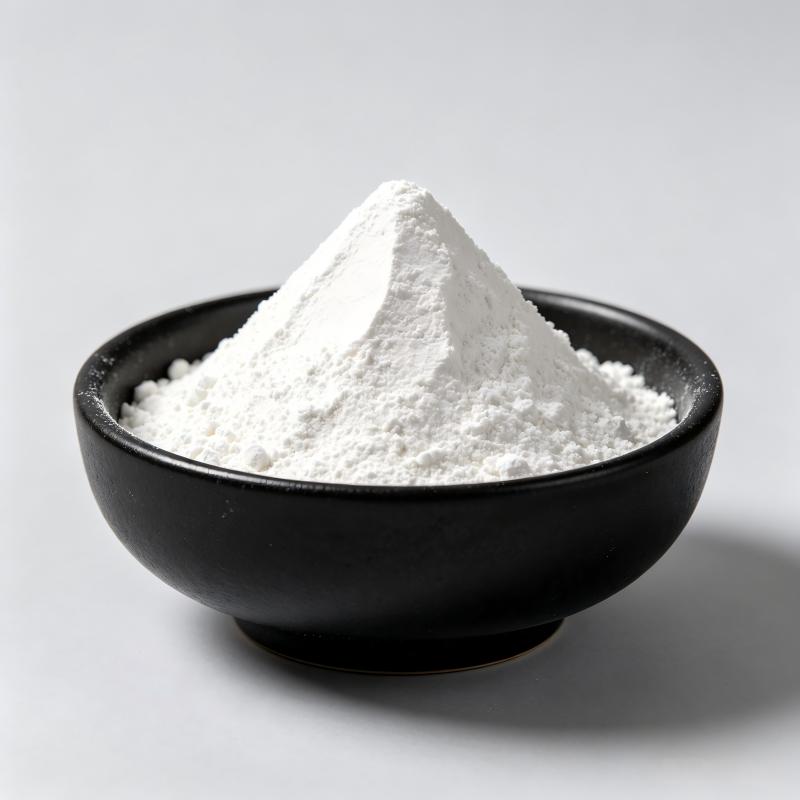
| Appearance | White powder | Complies |
| Impurities | No macroscopic impurities | Complies |
| Water Solubility | 1g sample completely dissolved in 100g water | Fully dissolved |
| Moisture | ≤10.0% | 5.30% |
| Ash | ≤2.0% | 0.8% |
| Assay (Active Content) | ≥3.3% | 3.3% |
| Purity | ≥99% | 99.3% |
Source: Product Specification
Key Benefits
1. Significantly Extends Fruit Shelf Life — 1-MCP effectively delays ripening and senescence, allowing fruits and vegetables to remain fresh 2–3 times longer than untreated produce.
2. Maintains Natural Quality — Helps preserve fruit firmness, natural color, flavor, and nutritional value (vitamins and minerals) throughout the entire supply chain.
3. Reduces Postharvest Losses — Minimizes spoilage, mold growth, and over-ripening during long-distance transportation and storage, increasing overall crop yield and profitability.
4. No Residues, Safe to Use — The U.S. EPA has exempted 1-MCP from residue tolerance requirements, as the product leaves no detectable residues following application. It is also non-toxic and causes no environmental pollution.
5. Economical with Low Dosage — Requires only minimal amounts per treatment, making it highly cost-effective for commercial operations.
Application Scope
1-MCP 3.3% is suitable for a wide range of ethylene-producing or ethylene-sensitive horticultural crops:
| (Category) | (Examples) |
|---|---|
| Fruits | Apples, bananas, pears, kiwis, avocados, mangoes, tomatoes, strawberries, plums, peaches, litchis, mangosteen |
| Vegetables | Broccoli, cucumbers, peppers, leafy greens |
| Flowers | Cut flowers (roses, carnations, lilies, orchids) and potted plants |
How to Use 1-MCP 3.3%
General Principle: 1-MCP is a gas-releasing powder formulation. When mixed with water, it releases 1-MCP gas that binds to ethylene receptors in plant tissues. The treatment is typically carried out in sealed environments (cold rooms, containers, storage facilities) to ensure maximum efficacy.
Step-by-Step Application:
Calculate the required dosage based on the treatment volume (typically 0.5–2 g per cubic meter of storage space).
Place the measured powder into a wide-mouth container.
Add the specified amount of clean water to initiate gas release.
Immediately seal the storage facility and ensure it remains airtight for 12–24 hours.
After treatment, ventilate the area thoroughly before handling.
Important Notes:
Always follow local agricultural regulations for postharvest treatment.
Perform a small-scale trial before large-scale commercial application.
Store unopened product in a cool, dry place away from direct sunlight.
Packaging & Delivery
| (Item) | (Details) |
|---|---|
| Packaging | Customized according to buyer’s requirements |
| Min. Order | 1 Gram |
| Trade Terms (Incoterm) | FOB, CFR, CIF, EXW, FCA, Express Delivery |
| Payment Methods | L/C, T/T, D/P, D/A, PayPal |
| Shipping | Ocean, Land, Air, Express |
| Ports | Shanghai, Qingdao, Ningbo |
Frequently Asked Questions (FAQ)
What is 1-MCP 3.3% ?
1-MCP 3.5% WP is a water-soluble powder formulation containing 3.5% 1-Methylcyclopropene as the active ingredient. It is a plant growth regulator used specifically for postharvest preservation of fruits, vegetables, and ornamental crops.
How does 1-MCP extend the shelf life of fruits?
1-MCP works by competitively binding to ethylene receptors in plant tissues. Ethylene is the natural plant hormone that triggers ripening and senescence. By blocking these receptors, 1-MCP effectively “pauses” the ripening process, allowing produce to stay fresh significantly longer.
Is 1-MCP safe for use on food crops?
Yes. The U.S. Environmental Protection Agency (EPA) has exempted 1-MCP from the requirement of a residue tolerance, meaning it is considered safe with no detectable residues when used as directed. It is non-toxic and environmentally friendly.
What crops can be treated with 1-MCP 3.3% ?
1-MCP is effective on a wide range of ethylene-sensitive crops, including apples, bananas, pears, kiwis, avocados, mangoes, tomatoes, strawberries, broccoli, cucumbers, and various cut flowers such as roses, carnations, and lilies.
What is the recommended dosage of 1-MCP 3.3% ?
The dosage depends on the crop type, storage conditions, and treatment duration. Generally, 0.5–2 g per cubic meter of storage space is recommended. Always refer to the product label or consult with our technical support team for specific crop recommendations.
How should 1-MCP 3.3% be stored?
Store the product in a cool, dry place away from direct sunlight. Keep the container tightly sealed when not in use. Under proper storage conditions, the product has a shelf life of approximately 2 years.
Can 1-MCP be used together with other postharvest treatments?
1-MCP can be integrated into standard postharvest handling protocols. However, because the treatment sequence can affect efficacy, it is recommended to consult the product guidelines or speak with a technical representative before combining with other treatments such as fungicides or coatings.


